north sea operators
claims conference
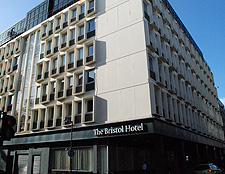
This was the venue for the 48th Session NSOCC 2026 in Bristol
*if you click at the blue-coloured words you get more info.
Remember to click back in your browser to return to NSOCC page.
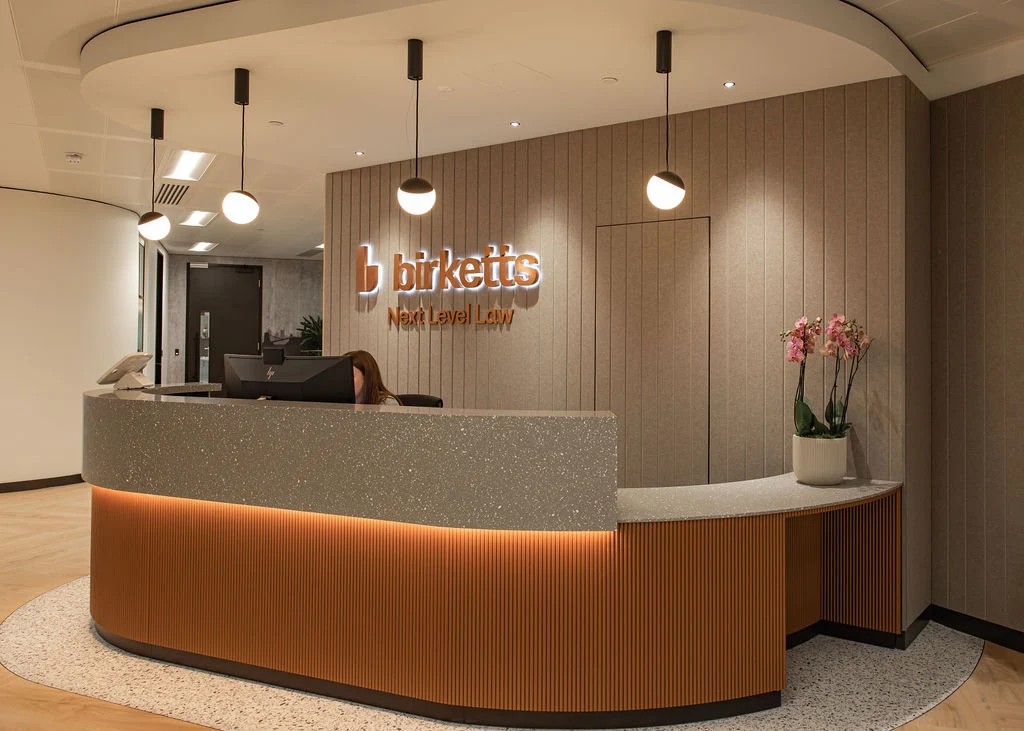
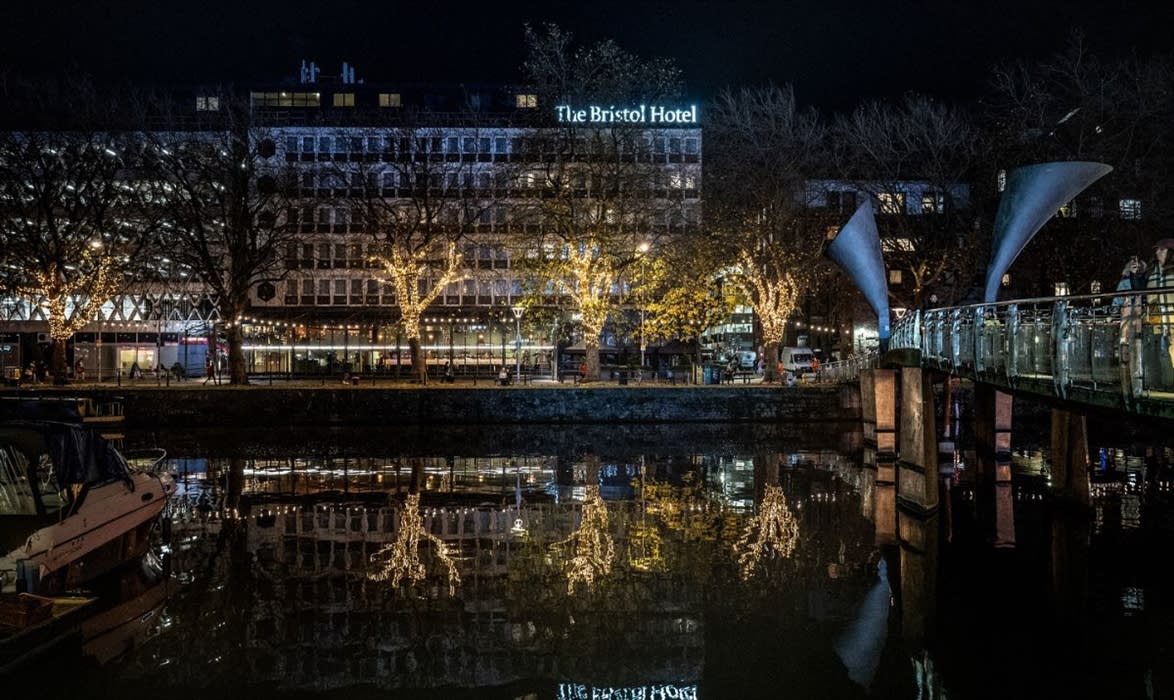
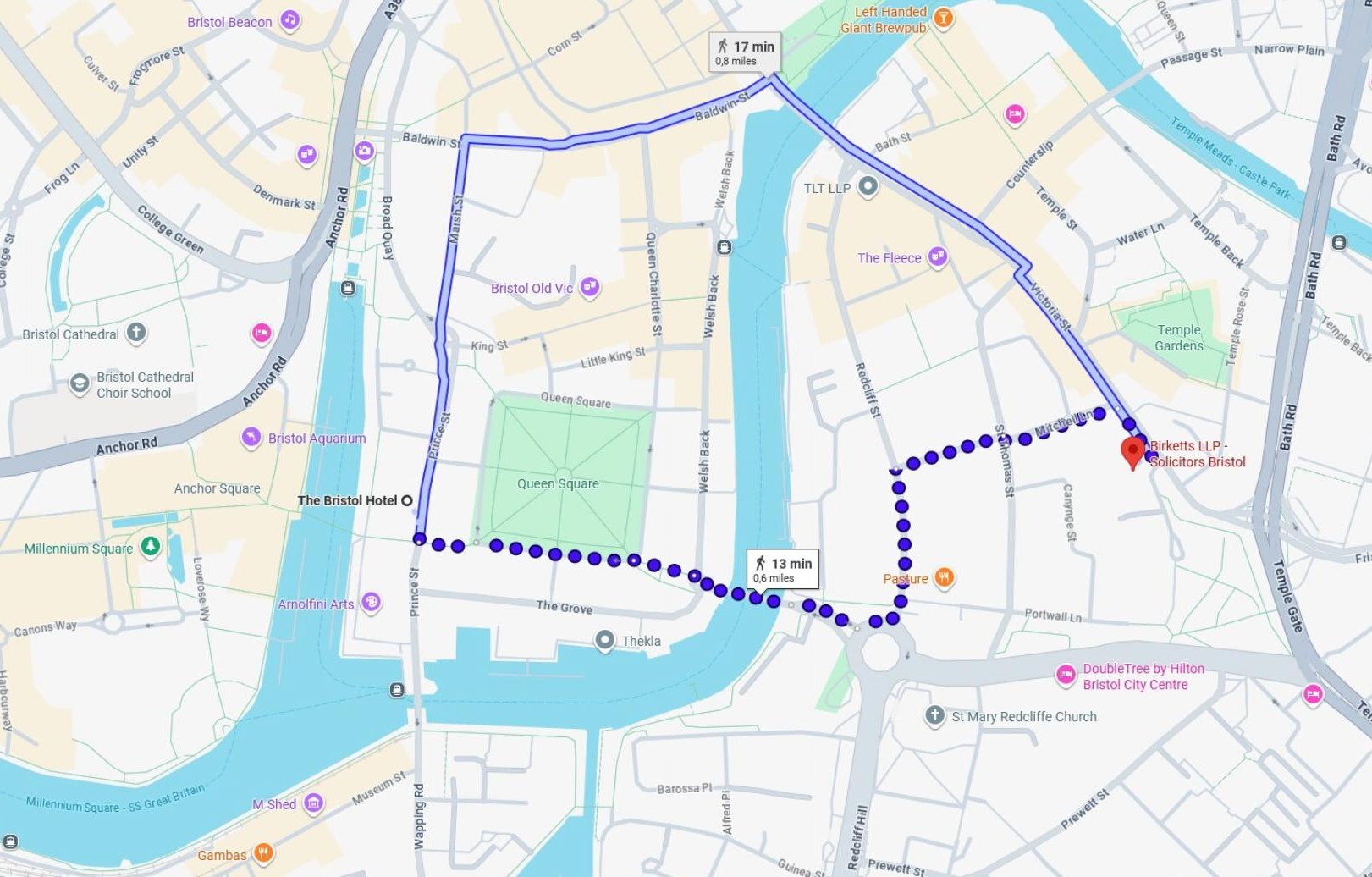
The 48th Session was based at The Bristol Hotel -Bristol from Sunday 27 to Wednesday 30 September 2026 with most Delegates arriving during Sunday and enjoying an informal get-together dinner upon-arrival. Monday Session was held at Birketts LLP Solicitors Bristol Office while Tuesday Session was held at The Bristol Hotel
Bristol is a city and ceremonial county in Southwest England. It is on the River Avon and bordered by Gloucestershire to the north and Somerset to the south, with a short coastline on the Bristol Channel to the west. The name derives from the Old English Brycgstow, meaning "assembly place by the bridge" or simply "site of the bridge", presumably in reference to a crossing over the Avon. The final 'L' is an unetymological addition that first appears in the 12th century, which may be due to the unique "Terminal L" found in the Bristol dialect. An older form of the name survives as the surname Bristow, which derives from the city.
A Roman port, Portus Abonae (Avonport) - abbreviated to Abona in the Antonine Itinerary, existed at what is now Sea Mills (connected to Bath and Gloucester by Roman roads). Bristol was founded by 1000; by about 1020, it was a trading centre with a mint producing silver pennies bearing its name. By 1067, Brycgstow was a well-fortified burh. Under Norman rule, the town had one of the strongest castles in southern England. The original Diocese of Bristol was founded in 1542, when the former Abbey of St. Augustine (founded four hundred years earlier) became Bristol Cathedral. Bristol also gained city status that year. In the 1640s, during the English Civil War, the city was occupied by Royalists, who built the Royal Fort House on the site of an earlier Parliamentarian stronghold.
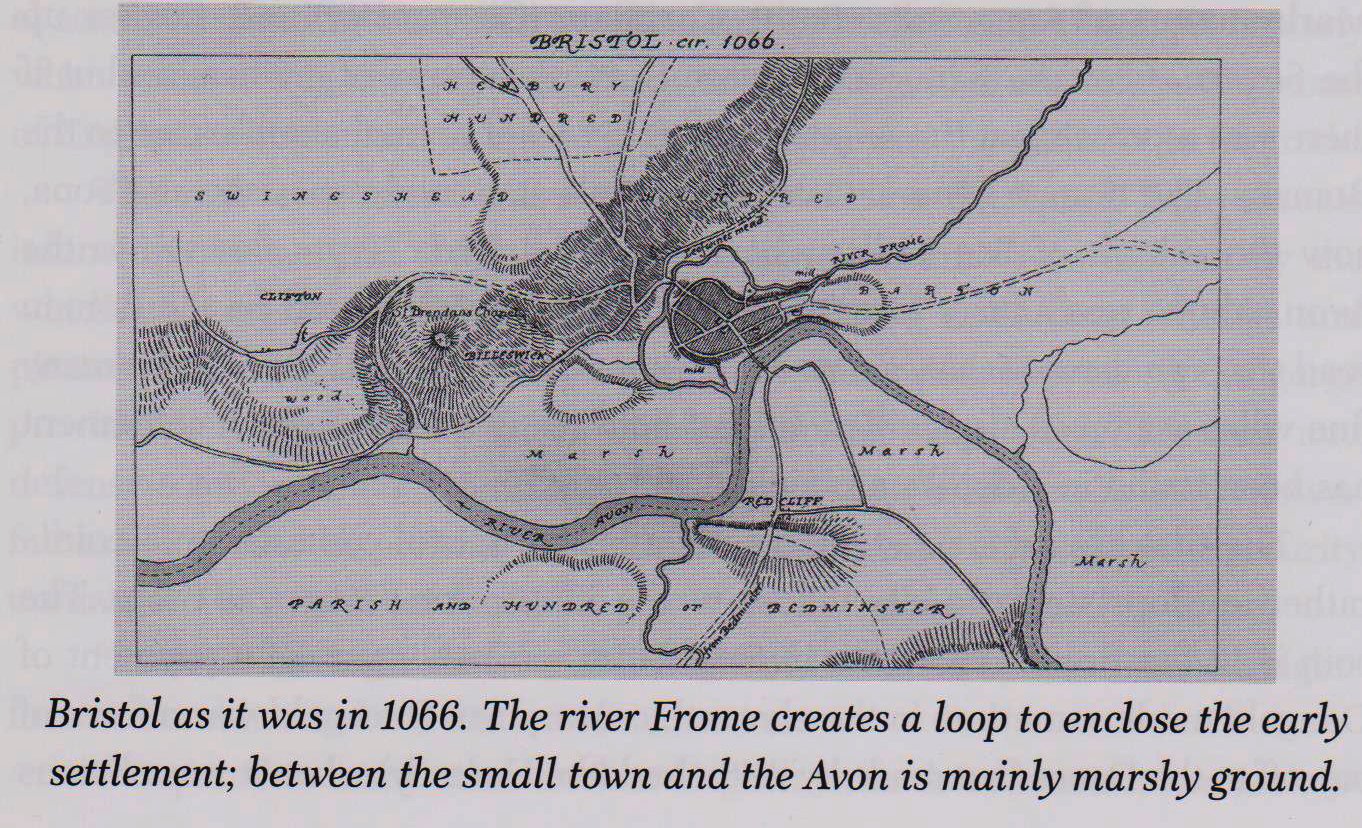
The port developed in the 11th century around the confluence of the Rivers Frome and Avon, adjacent to Bristol Bridge just outside the town walls. During the 16th century, Bristol merchants concentrated on developing trade with Spain and its American colonies. This included the smuggling of prohibited goods, such as food and guns, to Iberia during the Anglo-Spanish War (1585-1604). Bristol's illicit trade grew enormously after 1558, becoming integral to its economy. Fishermen from Bristol, who had fished the Grand Banks of Newfoundland since the 16th century, began settling Newfoundland permanently in larger numbers during the 17th century, establishing colonies at Bristol's Hope and Cuper's Cove. Bristol's location on the west side of Great Britain gave its ships an advantage in sailing to and from the New World, and the city's merchants made the most of it, with the city becoming one of the two leading outports in all of England by the middle of the 18th century.
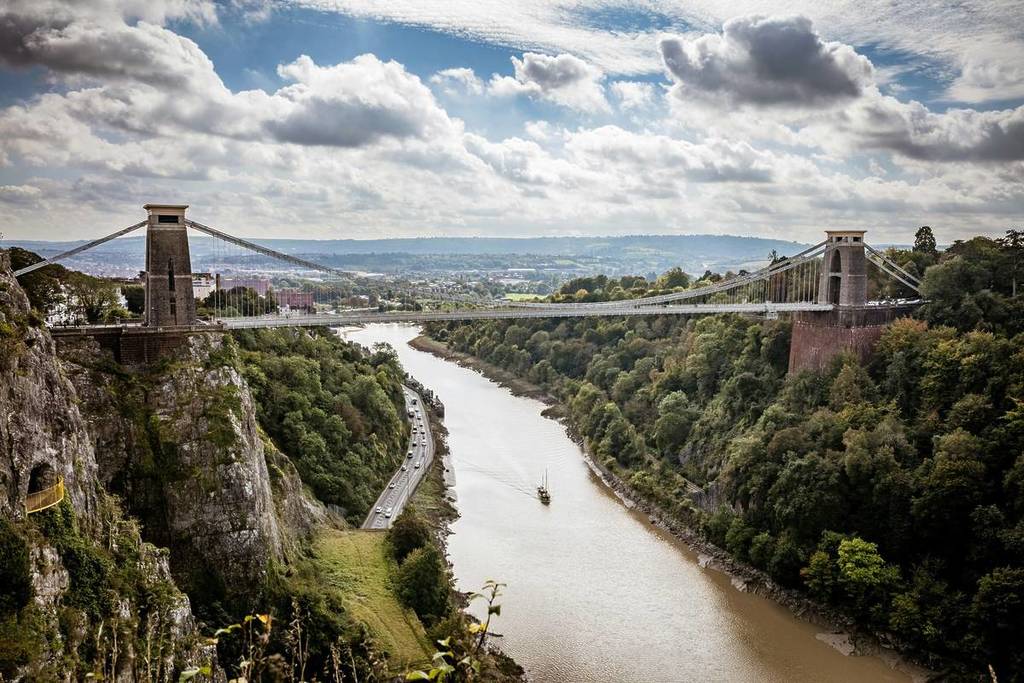
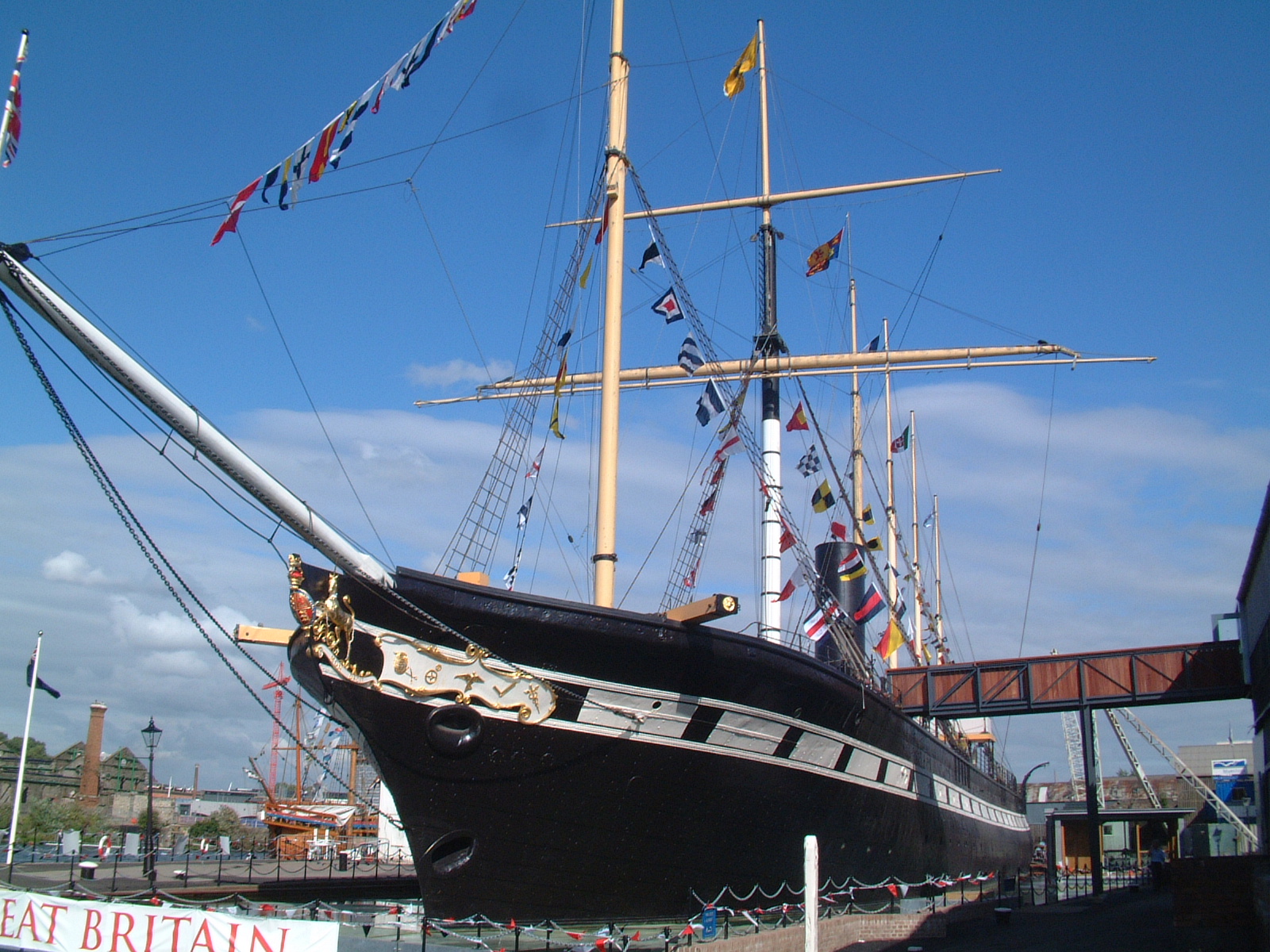
The city is associated with Victorian engineer Mr Isambard Kingdom Brunel, who designed the Great Western Railway between Bristol and London Paddington, two pioneering Bristol-built oceangoing steamships. SS Great Britain and SS Great Western, and the Clifton Suspension Bridge. The new railway replaced the Kennet and Avon Canal, which had fully opened in 1810, as the main route for the transport of goods between Bristol and London. Competition from Liverpool (beginning around 1760), disruptions of maritime commerce due to war with France (1793) and the abolition of the slave trade (1807) contributed to Bristol's failure to keep pace with the newer manufacturing centres of Northern England and the West Midlands. The tidal Avon Gorge, which had secured the port during the Middle Ages, had become a liability. An 1804-09 plan to improve the city's port with a Floating Harbour designed by Mr William Jessop was a costly error, requiring high harbour fees.
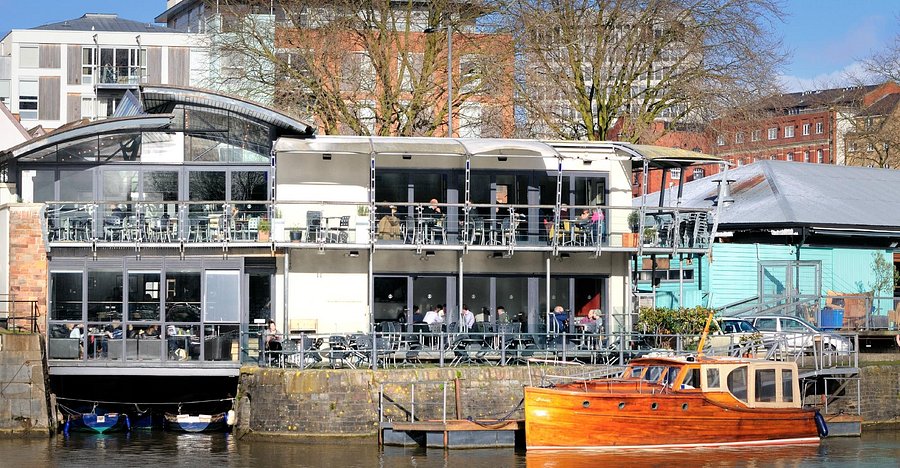
From a population of about 330,000 in 1901, Bristol grew steadily during the 20th century, peaking at 428,089 in 1971. Its Avonmouth docklands were enlarged during the early 1900s by the Royal Edward Dock. Another new dock, the Royal Portbury Dock, opened across the river from Avonmouth during the 1970s. As air travel grew in the first half of the century, aircraft manufacturers built factories. The 20th-century relocation of the docks to Avonmouth Docks and Royal Portbury Dock, 7 mi (11 km) downstream from the city centre, has allowed the redevelopment of the old dock area (the Floating Harbour). Although the docks' existence was once in jeopardy (since the area was seen as a derelict industrial site), the inaugural 1996 International Festival of the Sea held in and around the docks affirmed the area as a leisure asset of the city.
A dialect of English (West Country English), known as Bristolian, is spoken by longtime residents, who are known as Bristolians. Bristol natives have a rhotic accent, in which the post-vocalic r in car and card is pronounced (unlike in Received Pronunciation). The city is regarded as one of the last locations in England, along with Blackburn, to preserve the traditional English rhotic R sound. The unique feature of this accent is the 'Bristol (or terminal) l', in which l is appended to words ending in a or o. Whether this is a broad l or a w is a subject of debate, with area pronounced 'areal' or 'areaw'. The ending of Bristol is another example of the Bristol l. Bristolians pronounce -a and -o at the end of a word as -aw (cinemaw). To non-natives, the pronunciation suggests an l after the vowel.
Bristolian is characterised by use of cassn't instead of can't and canst and dissn't instead of didst and didn't. The second-person singular was retained, and children were admonished with "Thee and thou, the Welshman's cow". In Bristolian, as in French and German, the second-person singular was not used when speaking to a superior (except by the egalitarian Quakers). The pronoun there is also used in the subject position ("What bist thee doing?"), and I or he in the object position ("Give he to I."). Linguist Mr Stanley Ellis, who found that many dialect words in the Filton area were linked to aerospace work, described Bristolian as "a cranky, crazy, crab-apple tree of language and with the sharpest, juiciest flavour that I've heard for a long time".
Arrive in London?
Fast trains to Bristol take about 90 mins. Leave from Paddington station to Bristol Temple Meads Railway Station. Do Not get out at Bristol Parkway (unless changing trains). To book tickets, Great Western Railways have an app or you can search for trains online
Arriving at Heathrow airport?
The train from Reading to Bristol takes about 1 hour and 8 minutes on average, with fast services running frequently. Take the Elizabeth Line to Reading Station and then transfer to a direct Great Western Railway fast train to Bristol Temple Meads Railway Station.
Where is The Bristol Hotel?
Prince Street, Bristol BS1 4QF United Kingdom. tel: +44 117 923 0333
Parking and other services at The Bristol Hotel
The Bristol Hotel now falls within the City of Bristol Clean Air Zone. Charges only apply to older more polluting vehicles. Parking for guests staying overnight costs £19 per night - paid directly at reception, along with providing your vehicle registration details. Please note the height restriction of 1.9m. For meeting and events guests special parking rates apply, please speak with The Bristol Hotel meetings and events team for more information regarding special rates. For guests and visitors arriving to The Bristol hotel by car, there is a secure car park immediately adjacent to the hotel for your convenience – Prince Street Car Park. For other visitors or those preferring alternative locations, the following facilities are available nearby and please, enquire beforehand directly with them: NCP Cabot Circus, approx. 4–5 minute walk from The Bristol Hotel. NCP Rupert Street Car Park approx. 3 minute walk. Millennium Place Car Park, approx. 6–7 minute walk.
Guest laundry room: The Bristol Hotel does not currently offer free laundry rooms. The Bristol offers in-house laundry and dry-cleaning services. Guests can enjoy same-day laundry and dry-cleaning services for added convenience. Laundry service is closed on weekends..
Fitness Center: The Bristol offer resident’s complimentary access to their resident’s-only fitness suite, located on the fourth floor of the hotel.
Electric vehicle charging station: The Bristol does not currently offer EV charging stations on-site.
Public Transport in Bristol
Distances from public transport to The Bristol Hotel:
Rail: Bristol Temple Meads Railway Station. Approx. 0.3 miles / 5-minute walk
Bus:
- Service 70. From Temple Meads along Redcliffe Way; a few minutes' walk from the hotel
- Services 8 and 9. Frequent connections between Temple Meads and the city centre
- Queen Square / The Centre stops. Nearest bus stops; approx. 1-minute walk to the hotel entrance
- Anchor Road stop. Served by Stagecoach South West; approx. 1-minute walk
Coach: Bristol Bus & Coach Station. Approx. 0.5 miles / 8–10 minute walk; or connect via bus services 8/9
At Bristol Airport
Bristol Airport (IATA: BRS, ICAO: EGGD) is an international airport serving the city of Bristol, England, and the surrounding area. Located at Lulsgate Bottom, on the northern slopes of the Mendip Hills, in North Somerset, it is 8 miles southwest of Bristol city centre. Built on the site of a former RAF airfield, it opened in 1957 as Bristol (Lulsgate) Airport, replacing Bristol (Whitchurch) Airport as Bristol's municipal airport. Bristol Airport operates with a "remote stand" system for most of its gates, meaning there are no jet bridges connecting the terminal directly to the aircraft.
A car journey to and from the airport is a quick 30 minutes or less via the A38 and A370.
Timetable information and tickets for bus and train
Bristol Airport Flyer Bus
The Bristol Airport Flyer Bus departs from the airport at regular intervals and will deposit you at Bristol Bus & Coach Station or Bristol Temple Meads Railway Station on a journey lasting roughly 30 minutes. From either of these stops, the walk is approximately 15 to 20 minutes on foot to the hotel, so you may opt to take a taxi instead.
Bristol Temple Meads Railway Station
If you’re arriving at Temple Meads Railway Station, you can hop onto bus service 70 from the station and get off on Redcliffe Way. You’ll be steps away from the hotel.
Bristol Bus & Coach Station
Catching bus service 90 a couple of streets away from Bristol bus and coach station will allow you to step off the bus on The Grove. This street is a little round the corner from the hotel. You’ll hardly notice the time as the journey lasts approximately 10 minutes.